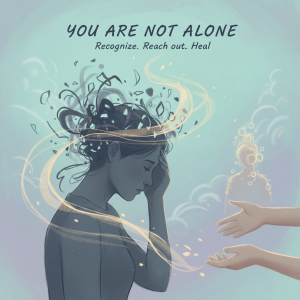
Recognizing the early signs of co occurring issues can feel confusing. You might see mood changes, shifts in behavior, or increasing use of alcohol or drugs and wonder if it is “just stress” or something more serious. Learning what to look for helps you decide when it is time to reach out for professional help.
In this guide, you will explore how mental health and substance use problems interact, what early warning signs can look like in real life, and how to take the next step if you are concerned about yourself or someone you love.
Understand what co occurring issues mean
Co occurring issues typically describe a mental health condition and a substance use problem happening at the same time and influencing each other. A person might use substances in an attempt to manage symptoms of depression or anxiety, or substance use might trigger or worsen mental health symptoms over time. This relationship is complex and interconnected, and people who have one condition are at higher risk for developing the other [1].
You might also hear the term “dual diagnosis.” Dual diagnosis can refer to any two separate health conditions that happen together, whether they are physical, mental, or both. Co occurring disorders are more specific. They usually involve a mental health disorder and a substance use disorder that are directly related and need to be treated at the same time [2].
What matters most for you is not the label, but recognizing that when emotional symptoms and substance use show up together, you should think about both, not just one. Early identification and treatment that address both conditions at once can significantly improve recovery outcomes [2].
See how mental health and substance use overlap
When you are trying to notice early signs of co occurring issues, it helps to understand how mental health symptoms and substance use behaviors can blend and sometimes hide each other. Symptoms often overlap, which can make it difficult to tell what is really going on without a closer look [3].
A few common patterns include:
- Using alcohol or drugs to cope with sadness, worry, trauma, or emotional pain
- Noticing that depression or anxiety feels worse after using substances
- Seeing increased irritability, mood swings, or impulsive behavior alongside growing substance use
- Having trouble functioning at work, at school, or in relationships as both emotional symptoms and substance use increase
Many people with addiction also have a co occurring mental health disorder, and many people living with mental illness develop substance use problems over time. Some estimates suggest that roughly half of people struggling with addiction will experience a mental health disorder at some point in their lives, and vice versa [3].
If you are unsure how to sort out what you are seeing, it may help to read more about how addiction starts behaviorally and how behavioral health issues develop.
Distinguish stress from emerging conditions
Everyone goes through stressful periods. You might sleep poorly for a week, feel more irritable than usual, or have a few nights where you drink more than you meant to. Is that an early sign of co occurring issues, or a normal reaction to a tough situation?
You can use three key questions to help you tell the difference between temporary stress and early warning signs of a clinical condition:
-
Duration
Ask how long the change has been going on. Stress reactions usually begin to ease once the stressful situation improves or you get support. If symptoms continue for weeks or months, or keep returning, they may indicate something more than everyday stress. -
Intensity
Consider how strong the symptoms are. Feeling a little on edge is different from being so anxious you cannot leave the house or so low you struggle to get out of bed. You can learn more about this distinction in the guide on the difference between stress and mental illness. -
Impact on daily life
Look at how your day-to-day functioning is affected. When symptoms begin to interfere with work, school, parenting, relationships, or self-care, it is a signal that you should not ignore them.
When emotional changes and substance use begin to appear together, and they persist or interfere with your life, you are likely seeing early signs of co occurring issues rather than short-term stress.
Notice early mental health warning signs
Mental health symptoms can show up in your emotions, thoughts, behavior, and body. Some shifts are subtle, while others are more obvious. Paying attention to early changes can help you seek care before things escalate.
Common early signs include:
- Feeling persistently sad, empty, or hopeless
- Losing interest in activities you usually enjoy
- Excessive worry, fear, or a constant sense of dread
- Irritability or anger that feels out of proportion to the situation
- Difficulty concentrating, making decisions, or remembering things
- Changes in sleep, such as insomnia or sleeping far more than usual
- Changes in appetite or weight
- Withdrawing from friends, family, or social activities
- Persistent feelings of worthlessness, guilt, or shame
Guides on early signs of mental health issues, mental health awareness symptoms, and mental health red flags in adults can help you explore these patterns in more depth.
Specific conditions also have characteristic early signs. For example, early indicators of mood disorders can involve recurring periods of very low mood, or episodes of unusually high energy, reduced need for sleep, and impulsive decisions. You can learn more about those patterns in the overview of early warning signs of mood disorders.
If you or someone close to you shows several of these changes at the same time, and they last more than a couple of weeks, it is worth considering that a mental health condition could be developing, especially if substance use is also increasing.
Watch for early substance use red flags
Co occurring issues almost always involve some level of problematic substance use, even if it does not yet look like a severe addiction. Early signs of substance misuse can be easy to dismiss as “blowing off steam” or “just unwinding,” but noticing them early makes it easier to get help.
Early substance-related warning signs can include:
- Using alcohol or drugs to relax, sleep, or “numb out” emotionally
- Needing more of a substance over time to feel the same effect, which suggests growing tolerance [1]
- Using more than you planned or being unable to cut back despite wanting to
- Feeling unwell, shaky, or anxious when the effects wear off, and feeling better again after using
- Spending more time obtaining, using, or recovering from substances
- Missing work, school, or important responsibilities because of use or hangovers
- Hiding how much you are using from others or feeling defensive when someone brings it up
If these signs sound familiar, you may find it helpful to read more about how to recognize substance use problems early or review the list of early signs of substance abuse.
When these behaviors appear alongside noticeable emotional or behavioral changes, they may represent early signs of co occurring issues rather than an isolated substance problem.
Pay attention to behavior and personality changes
Behavior and personality shifts often provide some of the clearest clues that you, or someone you care about, are struggling beneath the surface. These changes can be especially important when emotional symptoms and substance use are mixed together, since either one alone might be easy to minimize.
You might notice:
- Pulling away from friends, partners, or family who were once important
- Losing motivation or interest in work, school, or hobbies
- Declining performance, missed deadlines, or frequent absences
- Risk-taking behavior, such as unsafe driving, unprotected sex, or impulsive spending
- Sudden changes in social circles or spending more time with people who use substances
- Secretive behavior, lying, or unexplained financial problems
- Neglecting personal hygiene or basic health needs
These patterns often show up when underlying mental health symptoms and substance use start reinforcing each other. If you are seeing multiple changes, explore more detailed examples in resources on behavior changes linked to mental illness and how to identify behavioral health issues.
Behavioral shifts that are new, persistent, and combined with substance use are strong indicators that you may be seeing emerging co occurring issues rather than isolated mood swings or single stressful events.
Recognize early signs in teens and young adults
Co occurring issues often begin in adolescence and young adulthood, even if they are not identified until later. Teens with depression or other mental health conditions are particularly vulnerable to using alcohol or drugs to try to ease emotional pain, which can later worsen their depression or anxiety [4].
In young people, early signs of co occurring issues might include:
- Noticeable mood changes, such as persistent irritability, sadness, or anger
- Behavioral shifts like skipping school, sudden drops in grades, or breaking rules
- New or intensified conflicts with family or long-time friends
- Loss of interest in sports, clubs, or activities that used to matter
- Physical changes like unexplained weight loss or gain, frequent headaches, or complaints of feeling unwell
- Smell of alcohol or drugs, bloodshot eyes, or needing more money without clear explanation
Behavioral and physical changes, along with life consequences such as school or legal problems, can be early signs of co occurring substance use and mental health problems in adolescents [4]. Because many teens do not recognize they are depressed or understand why they feel the way they do, they might experiment with substances as a coping mechanism without realizing the risk.
Screening teens who use alcohol or drugs for depression, anxiety, and other mental health concerns is strongly recommended so that co occurring issues can be identified as early as possible [4]. Early intervention matters, since the longer young people wait to get help, the harder recovery can become.
Understand the role of specific mental health conditions
Some mental health conditions are especially likely to co occur with substance use disorders. Being aware of these links can help you take emerging symptoms more seriously.
Attention-deficit/hyperactivity disorder (ADHD) frequently appears alongside substance use disorders in older teens and young adults. At least one quarter of adolescents with substance use disorders also have ADHD, and ADHD symptoms such as inattention, hyperactivity, and impulsivity may increase drug seeking behaviors. ADHD usually begins before substance use starts [5].
Conduct disorder, which involves ongoing patterns of rule-breaking or aggressive behavior, also predicts earlier substance use initiation and later risk for antisocial personality disorder [5]. Personality traits such as high emotional reactivity and low conscientiousness have been linked to higher vulnerability to substance problems from adolescence into adulthood [5].
Mood disorders, including depression and bipolar disorder, show strong connections with substance use in young people. Studies have found that depression is common among youth with substance use disorders, and that bipolar disorder can develop after substance use begins in a significant portion of affected children and adolescents [5].
Anxiety disorders, including panic disorder, social phobia, and generalized anxiety, also appear at high rates among people in addiction treatment, with some reports suggesting ranges between 10 and 60 percent, depending on the specific group and condition [6].
Knowing these connections can help you see that when conditions like ADHD, depression, or anxiety are present, early substance use is not just “typical experimentation.” It may be an early sign that co occurring issues are developing and deserves prompt attention.
Early signs of co occurring issues are not always dramatic. Often they begin as small, persistent shifts in mood, behavior, and substance use that gradually add up. Paying attention to these early changes can make a significant difference in how quickly you or your loved one can get the right kind of support.
Know why early screening and assessment matter
Because symptoms of mental health conditions and substance use disorders overlap, it can be challenging to sort them out on your own. Comprehensive screening and assessment are essential for an accurate picture of what is happening and what kind of help will be most effective [3].
Initial screening for co occurring disorders is designed to answer a straightforward question. Does a person who has a substance misuse concern show signs of a possible mental health condition, or does someone seeking help for a mental disorder show signs of a possible substance problem? If the answer is “yes,” a more in-depth assessment is recommended [7].
Best practice guidelines recommend that people entering mental health or substance use treatment be screened for co occurring issues at least annually, and whenever new symptoms emerge. This helps reduce the large treatment gap in which many adults with co occurring disorders do not receive care for both conditions at the same time [7].
A thorough biopsychosocial assessment typically looks at:
- Mental health history and current symptoms
- Substance use history, patterns, and related consequences
- Medical history and current physical health
- Social, cultural, and family context
- Strengths, supports, and potential barriers to treatment adherence [8]
It also includes early identification of immediate safety concerns such as suicidal thoughts, risk of harm to others, or inability to care for basic needs, often using standardized tools to guide decisions about the level of care required [7].
If you recognize early signs of co occurring issues in yourself or someone close to you, talking with a primary care provider can be a helpful first step. They can refer you to mental health and addiction specialists for a more complete evaluation [1].
Decide when it is time to seek help
You do not need to wait until symptoms are severe or life is falling apart to reach out for support. In fact, you are encouraged to seek help early, as soon as you start noticing recurring patterns of concern.
It is time to consider professional help when:
- Symptoms last most days for more than two weeks
- Emotional changes and substance use are both present, even at low levels
- Your work, school, or relationships are being affected
- You find yourself using substances to cope with emotions or to get through the day
- You or others feel worried about your safety or the safety of someone you care about
If you are unsure whether what you are seeing “really counts,” resources like how to tell if someone needs mental health help, when to seek help for mental health, and how to tell if therapy is needed can guide your decision.
Remember, you never need to meet a certain threshold of suffering before you are allowed to ask for support. Reaching out early gives you a better chance to address co occurring issues while they are still more manageable.
Take practical next steps
If you recognize early signs of co occurring issues in yourself or someone you love, you can move forward in small, concrete steps.
You might:
- Write down the symptoms you notice, when they began, and how often they appear
- Make a list of any recent changes in sleep, appetite, work, school, or relationships
- Note how often alcohol or drugs are used, in what situations, and in what amounts
- Share your concerns with a trusted friend or family member
- Schedule an appointment with a primary care provider or mental health professional
Because people going through substance withdrawal can show psychiatric symptoms such as depression or anxiety, it is important for treatment providers to re screen patients over time as they stabilize. This helps distinguish between withdrawal effects and ongoing co occurring disorders that may need longer term care [3].
As you move forward, staying informed about mental health symptoms that should not be ignored, signs of worsening mental health, and how to recognize emotional distress early can help you track changes and know when to adjust your support.
Recognizing early signs of co occurring issues is not about labeling yourself or someone you love. It is about noticing patterns, taking your concerns seriously, and giving yourself permission to seek the kind of help that addresses both mental health and substance use together. With early attention and integrated care, many people are able to stabilize, recover, and rebuild a more secure and hopeful life.