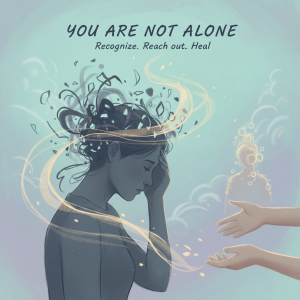
Why it is hard to tell when someone needs help
Figuring out how to tell if someone needs mental health help can feel confusing. Everyone has bad days, stress at work, or periods of grief. You might worry about “overreacting” or labeling someone unfairly. At the same time, you may sense that something is not quite right and feel afraid of missing important warning signs.
You are not expected to make a diagnosis. Mental health conditions are identified using clinical criteria and tools such as the Diagnostic and Statistical Manual of Mental Disorders, or DSM, which professionals use to evaluate patterns of feelings, behaviors, and how long they have lasted [1]. Your role is to notice changes and take them seriously.
When you focus on changes in thoughts, emotions, behavior, and day to day functioning, it becomes much easier to see when a friend, partner, or family member may need professional support. That awareness is the first step, whether you are thinking about how to identify behavioral health issues in general or you are worried about one specific person right now.
How to spot early warning signs
Mental health problems almost always show themselves through noticeable changes. Sometimes the changes are sudden, for example after a major stress or medical event. Often they start small and build over time.
Professionals and advocacy groups describe several broad categories of warning signs you can watch for [2].
Changes in emotions and mood
Pay attention when someone’s emotional life seems very different from their usual self, especially if it does not match what is happening around them.
You might notice:
- Persistent sadness, emptiness, or tearfulness that does not lift
- Irritability or anger that appears over small frustrations
- Mood swings that feel unpredictable or out of proportion
- Loss of interest or pleasure in activities they normally enjoy
- Emotional numbness or flatness, where they seem “checked out”
If these patterns last for weeks and interfere with daily life, they may indicate depression or another mood condition. To understand these patterns in more detail, you can also review warning signs of depression in adults and early warning signs of mood disorders.
Changes in thinking and perception
Shifts in the way someone thinks can be harder to see, but they are very important. According to clinical guidance, major mental illnesses are often preceded by subtle feelings that “something is not quite right” in thinking or perception [3].
Watch for:
- Persistent negative or intrusive thoughts they cannot shut off
- Excessive worry that dominates conversations or daily choices
- Difficulty concentrating, following conversations, or making decisions
- Confused or disorganized speech, jumping between unrelated topics
- Fixed false beliefs that do not change even when evidence is presented
- Seeing, hearing, or sensing things that others do not (hallucinations) [4]
Intrusive negative thoughts and racing heart sensations often point to significant anxiety, and therapy can help people learn to accept, challenge, and manage these thoughts so they stop controlling life [5].
Changes in behavior and daily habits
Behavior often gives you the clearest signals. A reliable way to think about it is to compare the person you know today with how they typically behaved six months or a year ago. A sudden or gradual behavior change that affects function or relationships is one of the clearest mental health red flags in adults.
You may see:
- Withdrawing from family, friends, or activities
- Declining work or school performance
- Neglecting personal hygiene or appearance
- Sleeping much more or much less than usual
- Eating far more or far less, sometimes to dull emotions [5]
- Loss of interest in responsibilities, hobbies, or self care
- Risky behaviors, such as unsafe sex, reckless driving, or impulsive spending
Behavior changes can also be linked to emerging conditions like psychosis, bipolar disorder, or even some forms of dementia, where you might see social disinhibition, poor impulse control, or a sharp decline in work and interpersonal functioning [6]. Resources such as behavior changes linked to mental illness offer deeper context on what those shifts can look like.
Changes in relationships and social connection
Relationships are often where you notice the first cracks. People experiencing mental health problems might:
- Argue more often or seem unable to see others’ perspectives
- Isolate from partners, family, or close friends
- Drop long standing friendships or hobbies without explanation
- Become unusually dependent on one person for reassurance
- Seem suspicious, resentful, or paranoid about others’ motives [4]
When relationship struggles become a pattern and get in the way of everyday life, talking with a therapist or couples specialist can restore communication and healthier connections [5].
Distinguishing stress from a mental health condition
Feeling overwhelmed after a breakup, a job loss, or a family illness is a normal human response. It is important to look at context when you decide whether someone needs mental health help. The Jed Foundation notes that emotional responses to major life events do not automatically signal a disorder unless they seriously disrupt everyday functioning [7].
Several questions can help you sort out typical stress versus a possible clinical condition, similar to what you find in difference between stress and mental illness.
Ask yourself:
- How long has this been going on?
- Brief changes that last a few days to a couple of weeks and steadily improve may reflect stress.
- Symptoms that persist for weeks or months, or keep coming back, are more concerning.
- How intense are the symptoms?
- Mild worry or sadness that your loved one can still manage may be stress.
- Emotions so strong that they cannot focus, work, or sleep suggest a deeper issue.
- How much is daily life affected?
- If they can meet responsibilities with some effort, they may be coping with stress.
- If work, school, or caregiving responsibilities are falling apart, support is more urgent.
- Is there a clear trigger?
- Reactions that match a clear event, such as grief after a loss, are usually expected.
- Major changes in personality or behavior that are unrelated to any event are more worrisome [4].
- Are things getting better or worse?
- Stress often improves as someone adjusts or finds solutions.
- Worsening symptoms, new problems, or risky coping strategies point to the need for help.
If you notice multiple areas of life becoming affected at once, or if emotional struggles are not easing with time, it likely falls closer to the territory of when to seek help for mental health.
Signs that substance use may be part of the picture
Sometimes you are not only wondering how to tell if someone needs mental health help, but also whether alcohol or drugs are involved. Mental health and substance use frequently develop together, and each can make the other worse. Learning how behavioral health issues develop and recognizing early signs of co occurring issues can help you spot concerns earlier.
Possible early indicators of substance use problems include:
- Using alcohol or drugs to “take the edge off” most days
- Needing more of a substance to get the same effect
- Drinking or using alone or in secret
- Unexplained money problems, missing valuables, or legal trouble
- Smelling of alcohol or other substances, or having frequent hangovers
- Neglecting work, school, or caregiving due to use
Over time, you may see the patterns described in how addiction starts behaviorally, such as lying, broken promises to cut back, or withdrawal from previously important relationships. Resources on how to recognize substance use problems early and early signs of substance abuse can guide you through more specific scenarios.
It is common for people to use substances to cope with anxiety, depression, trauma, or grief. That is why it is important to look at the whole picture rather than treating substance use as a separate issue.
Mental health symptoms that should not be ignored
Some warning signs require more urgent attention regardless of context. When these appear, you do not need to wait and see if things improve.
According to mental health organizations and medical references, you should take immediate action if you observe [8]:
- Talk of wanting to die or self harm
- Threats or attempts to harm themselves or others
- Sudden major personality change without a clear cause
- Confusion, disorientation, or delirium, such as not knowing where they are
- Slurred speech, difficulty walking, or trouble speaking clearly
- Fever combined with behavior changes or confusion
- Recent head injury with new mental changes
- Hallucinations, severe paranoia, or delusions
If suicidal thoughts or behaviors are present, contact emergency services or the 988 Suicide & Crisis Lifeline right away by calling or texting 988 for 24/7 confidential support [2]. When there is immediate danger to anyone’s safety, call 911.
Many of these concerns are also highlighted in resources on mental health symptoms that should not be ignored. Trust your instincts. It is better to respond quickly and discover it was not an emergency than to wait and risk someone’s safety.
If you or the person you are worried about is in immediate danger of self harm or harming others, treat it as an emergency and seek help right away.
How early recognition protects long term health
Recognizing early signs and acting on them is not only about handling crises. It can change the entire course of someone’s life. Half of all mental illnesses begin by age 14 and three quarters by age 24 [3]. Many people describe subtle shifts for months or years before a full disorder is identified.
When problems are identified early:
- Treatment can begin sooner, which can lessen the severity of the condition
- Symptoms may be prevented from escalating into a major crisis
- People can learn skills to manage their mental health for the long term
- Relationships, school, and work are more likely to stay stable
Early intervention may even delay or prevent some major mental illnesses and improve overall outcomes [3]. Resources such as early signs of mental health issues, mental health awareness symptoms, and how to recognize emotional distress early are designed with exactly this prevention mindset.
This is equally true for anxiety, depression, substance use, and co occurring conditions. Recognizing early symptoms of anxiety disorders or signs of worsening mental health can keep someone from reaching a breaking point.
Practical steps when you think someone needs help
Once you notice warning signs, you may feel unsure about what to do next. You might worry about saying the wrong thing or making the person upset. It helps to approach the situation with care and planning.
Choose the right time and place
NAMI recommends talking in a private, relaxed setting at a time when the person is in a relatively good mood and not distracted [9]. This could be during a quiet walk, at home without interruptions, or while sitting together in a comfortable, familiar space.
Avoid starting the conversation in the middle of an argument, during a crisis, or when anyone is under the influence of substances. Your goal is to create a calm environment where you can both think clearly.
Use clear, nonjudgmental language
How you speak matters as much as what you say. Stigmatizing language can make someone feel blamed or defective and may shut down the conversation. Instead, focus on observations and concern.
You might say:
- “I have noticed you seem really down and withdrawn lately, and I am worried about you.”
- “You have been having trouble sleeping and eating, and it seems like you do not feel like yourself.”
- “You have mentioned feeling overwhelmed and having scary thoughts. I am glad you told me, and I want to help you find support.”
NAMI emphasizes the importance of non stigmatizing language and assuring the person of your continued support, which can reduce fear of judgment and make professional help feel safer [9].
Expect and prepare for resistance
It is common for people to feel unsure, defensive, or resistant when the topic of therapy or treatment comes up. They might say they are fine, worry about stigma, or fear what treatment involves. Being prepared for that response can help you stay calm.
You can:
- Normalize help seeking, for example, “Seeing a therapist is like seeing any other health professional. It is a sign of strength, not weakness.”
- Explain potential benefits, such as learning coping skills, understanding triggers, or improving relationships [5]
- Offer choices instead of pushing one solution, such as a primary care visit, support group, or mental health specialist
Being ready to calmly explain the benefits and offer practical support can increase the chance that they will accept help [9].
How you can support them through the process
Encouraging someone to seek help is not a single conversation. It is an ongoing process that may involve practical steps and emotional support.
Ways you can make a meaningful difference include [10]:
- Helping research therapists, clinics, or support groups that fit their needs
- Offering to make the first phone call or send the first email together
- Sitting with them while they schedule an appointment online
- Going with them to the first session or waiting in the lobby if they prefer
- Checking in regularly about how they are feeling and how treatment is going
- Reminding them that you care about them regardless of diagnosis or progress
Assuring them that therapy is an act of courage and that your support does not depend on their “success” in treatment can lower shame and fear. Over time, this consistent support can encourage someone to keep working with a professional even when it feels difficult.
If you are unsure whether therapy is needed now, resources on how to tell if therapy is needed and when to seek help for mental health can help you weigh what you are seeing.
Taking care of yourself as you help someone else
Supporting someone with mental health challenges can be emotionally demanding. You may feel worried, frustrated, or helpless at times. It is important to remember that you cannot force another person into treatment unless there is an immediate safety risk, and you are not responsible for their choices.
You can:
- Set boundaries around what you can and cannot do
- Seek your own counseling or support if you feel overwhelmed
- Learn more through education such as mental health awareness symptoms and how behavioral health issues develop
- Reach out to crisis resources such as 988 for guidance when you are unsure how to respond [1]
Recognizing the limits of your role does not mean you are giving up. It means you are staying grounded so that you can be a steady, reliable presence over time.
Understanding how to tell if someone needs mental health help is about noticing patterns, trusting your observations, and taking them seriously. By watching for early signs, distinguishing normal stress from more serious conditions, and approaching conversations with care, you give the people in your life the best chance to get support before a crisis hits.