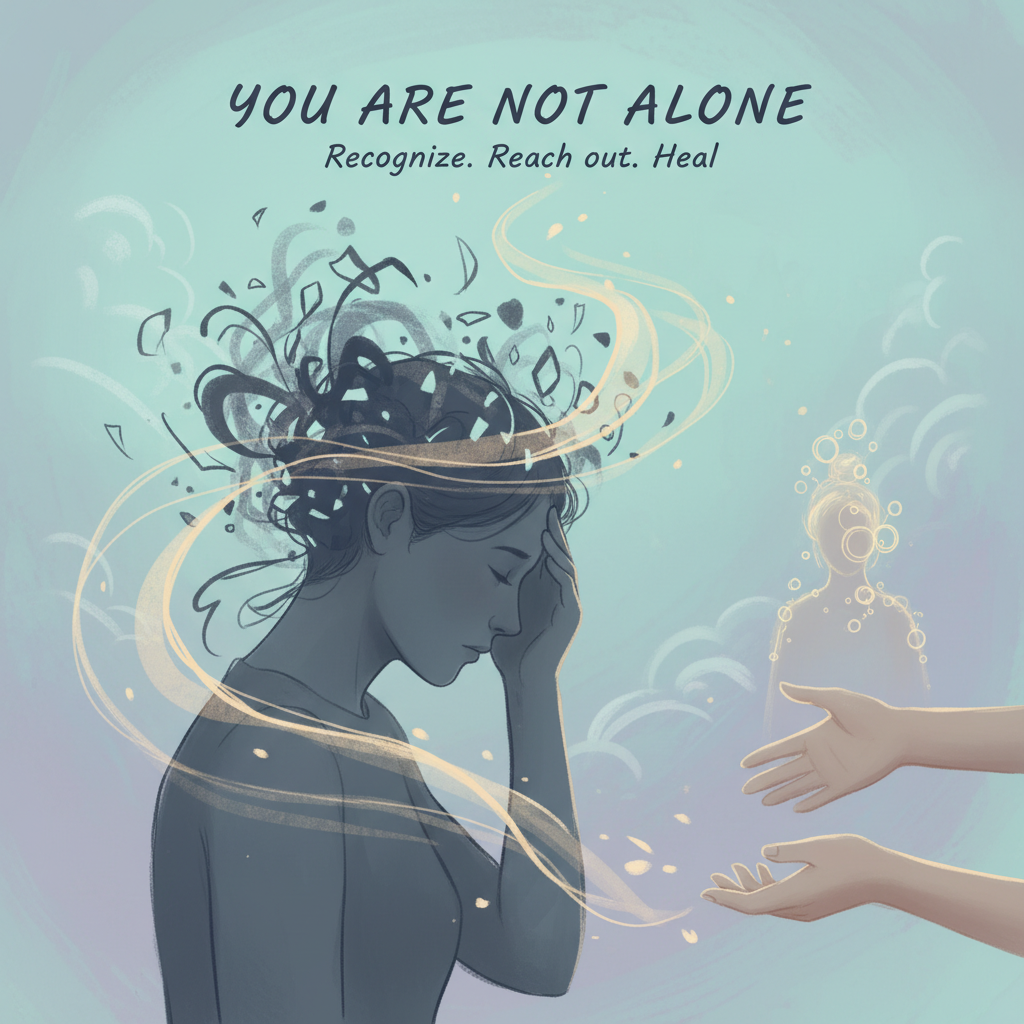
Why some mental health symptoms should never be ignored
If you are starting to worry about your mood, behavior, or thinking, you are not alone. Millions of people experience mental health symptoms every year, and many are unsure whether what they feel is “just stress” or a sign of a more serious condition [1].
Mental health symptoms that should not be ignored are those that linger, intensify, or start disrupting your daily life, relationships, school, or work. These signs can point to anxiety, depression, substance use, or other conditions that deserve professional attention [2].
Recognizing these early warning signs and seeking help promptly gives you a much better chance of recovery and can prevent problems from becoming crises [3].
Stress versus mental illness
Everyone deals with stress. You might feel tense before a deadline, irritable during a family conflict, or worn out after a hard week. Normal stress usually improves once the challenge passes or you get some rest and support.
Mental health conditions feel different. Instead of a temporary wave, symptoms feel like an ongoing storm that does not let up, even when life calms down. Persistent or escalating symptoms are a key mental health red flag. To learn more about this difference, you can also review the difference between stress and mental illness.
Normal, short‑term stress often looks like:
- Worry or sadness tied to a specific situation
- Symptoms that ease when the situation improves
- You can still go to work or school and meet responsibilities, even if you feel pressured
Mental health symptoms that may indicate a condition include:
- Feelings or behaviors that persist for weeks or months
- Symptoms that seem to come “out of nowhere” or feel out of proportion
- Difficulty functioning at work, school, or home because of how you feel [4]
If your symptoms feel unrelenting or you feel like you are “not yourself” for an extended period, it is important to pay attention.
General warning signs you should take seriously
Mental health conditions affect your thoughts, emotions, behaviors, and even your physical health. There is no single test that can diagnose a mental illness, so professionals rely on patterns of symptoms, how long they have lasted, and how much they affect your life [5].
You should not ignore symptoms if you notice several of the following at the same time, especially if they are new, getting worse, or lasting more than a couple of weeks:
- Marked changes in mood, such as feeling persistently sad, empty, hopeless, or unusually “high” or irritable
- Changes in sleep, like insomnia, waking very early, or sleeping far more than usual
- Significant shifts in appetite or weight
- Loss of interest in activities you used to enjoy
- Withdrawing from friends, family, or social activities
- Sudden decline in school or work performance
- Problems with concentration, memory, or decision making
- Unusual or intense fears, worries, or panic
- Feeling constantly on edge, keyed up, or unable to relax
- Unexplained physical complaints like headaches or stomach issues that do not have a clear medical cause
If you want a deeper overview of these changes across conditions, you can read more about mental health awareness symptoms and mental health red flags in adults.
Emotional symptoms that should not be ignored
Changes in your emotions can be the earliest sign that something is wrong. While everyone has ups and downs, certain emotional patterns deserve more attention.
Persistent sadness, emptiness, or hopelessness
If you are feeling low nearly every day for at least two weeks, or you describe your mood as “numb,” “empty,” or “beyond tired,” you may be experiencing more than everyday sadness.
Feelings that should not be ignored include:
- Believing nothing will ever get better
- Feeling guilty or worthless most of the time
- Crying often or being unable to cry at all, even when you want to
These can be warning signs of depression that warrant a closer look. For a focused overview, see warning signs of depression in adults.
Overwhelming anxiety, fear, or panic
Anxiety becomes a concern when it starts getting in the way of your daily life. Mental health symptoms that should not be ignored in this category include:
- Avoiding important activities because of fear, like skipping work or school to avoid an exam
- Panic attacks with heart racing, sweating, shortness of breath, or a sense of impending doom
- Worries that never seem to shut off, even when nothing specific is wrong [4]
Severe anxiety that disrupts your routine is a sign to reach out for help. You can learn more through resources on early symptoms of anxiety disorders.
Intense mood swings or irritability
Large, sudden shifts in mood can signal underlying mood disorders. You might notice:
- Going from calm to extremely angry very quickly
- Cycles of unusually high energy and little sleep followed by deep lows
- Reactions that feel much bigger than the situation calls for
The early warning signs of mood disorders can help you better understand when these changes may need professional evaluation.
Behavioral changes you should pay attention to
Significant shifts in what you do, how you act, and how you relate to others are often easier for loved ones to notice than for you to see in yourself. These changes can be important clues.
You may be seeing early behavior changes linked to mental illness if you notice:
- Withdrawing from friends and family, or avoiding social contact
- Losing interest in hobbies, work, or school
- Increased conflict with others, or frequent arguments
- Neglecting personal hygiene or appearance
- Sleeping at odd hours or staying in bed most of the day
- Uncharacteristic risk taking, such as reckless driving or unsafe sexual behavior
Sudden changes in behavior or a slow but steady feeling that “something is off” should both be taken seriously [1].
Thinking changes and cognitive red flags
Changes in your thoughts and how your mind works can point to developing mental health conditions. Some of these changes start subtly and grow over time, so noticing them early matters.
You should not ignore:
- Persistent trouble concentrating, following conversations, or finishing tasks
- Memory problems that are new or getting worse
- Difficulty organizing your day or making decisions
- Suspiciousness, feeling that others are against you without clear evidence
- Unusual beliefs that are not shared by others and are very hard to question
In some serious illnesses, such as schizophrenia or bipolar disorder, early warning signs often appear as small changes in thinking, feelings, or behavior before the full condition develops. These early signs present an important window of time for intervention [3].
Over a decade of global research shows that early intervention can reduce or delay the severity of mental illness, prevent hospitalization, and improve long‑term outcomes [3].
If you or a loved one are noticing changed thinking patterns, a professional assessment can clarify what is happening.
Physical and stress‑related symptoms you might overlook
Mental health issues do not just affect your emotions. They often show up in your body, especially when stress is ongoing and unaddressed.
Long‑term or chronic stress that is not managed can contribute to:
- Anxiety disorders
- Depression
- Post‑Traumatic Stress Disorder (PTSD) and Complex PTSD
- Physical illnesses as the body attempts to cope [6]
Concerning physical or stress‑related symptoms include:
- Feeling constantly agitated or restless
- Burnout and an inability to focus
- Feeling “frozen” or shut down, where even small tasks feel overwhelming or impossible, a pattern often seen in depression [6]
- Frequent headaches, stomach issues, or unexplained pain that does not respond to typical medical care
These signs can reflect more than being “overly stressed.” They may indicate a mental health condition that deserves evaluation and support.
If you are unsure how symptoms like these develop over time, you might find it useful to explore how behavioral health issues develop and how to recognize emotional distress early.
Substance use as a serious warning sign
Sometimes, mental health symptoms appear together with changes in how you use alcohol, prescription medications, or other substances. In other cases, substance use problems develop first and then lead to mental health concerns. Either way, it is important to pay attention.
Substance use may be concerning if you:
- Use drugs or alcohol to cope with stress, anxiety, or low mood
- Need more of a substance to get the same effect
- Find it difficult to cut back even when you want to
- Miss work, school, or important responsibilities because of use
- Hide your use from family or friends
These can be early signs of substance abuse and may be part of how you see how addiction starts behaviorally. Mental health symptoms and substance use often occur together, known as co‑occurring issues. Early attention to both can prevent more serious complications [3].
If you suspect both mental health and substance use concerns, learning about early signs of co occurring issues can guide your next steps.
Red flag symptoms requiring immediate help
Some mental health symptoms should never be watched and waited on. They call for urgent support. You should seek immediate help if you or someone you know is:
- Thinking about suicide or wishing you were dead
- Making plans or taking steps to harm yourself
- Having thoughts about harming someone else
- Hearing or seeing things that others do not
- So disoriented or confused that you cannot care for yourself
Experiencing several mental health symptoms at once that seriously impair your ability to study, work, or relate to others is also a reason to seek urgent professional evaluation, especially when suicidal thoughts or thoughts of harming others are present [3].
If you are in crisis, you can:
- Call or text 988, or chat via the 988 Suicide & Crisis Lifeline for 24/7 confidential support [7]
- Text HOME to 741‑741 to reach a trained crisis counselor [4]
These resources are there to help you stay safe and connect you with local services.
Why early recognition matters
Many mental illnesses first appear in adolescence or young adulthood. About half of all mental illnesses begin by age 14 and three‑quarters begin by age 24 [3]. Mental health conditions can also develop in very young children, often showing up as behavior changes since children may not be able to describe their feelings clearly [5].
Recognizing mental health symptoms early allows you to:
- Start effective treatment sooner
- Reduce the severity of symptoms
- Lower the risk of hospitalization
- Support better long‑term recovery [3]
Untreated symptoms can worsen over time and may affect your physical health, employment, and relationships. Addressing issues promptly is like fixing a small leak before it becomes a flood, helping you return more quickly to feeling like yourself [8].
If you want to understand these early indicators in more depth, you can review early signs of mental health issues and how to identify behavioral health issues.
When to seek professional mental health help
Because there is no simple blood test or scan for mental illness, deciding when to seek help can feel unclear. Mental health professionals use standardized criteria that consider your feelings, behaviors, and how long symptoms have been present to determine whether you meet the definition of a mental health disorder [5].
You should consider reaching out for professional support if:
- Symptoms last most days for more than two weeks
- They start to interfere with work, school, or relationships
- Loved ones express concern about noticeable changes
- You feel “off” and cannot explain why
- You are using substances to cope with your emotions
If you are unsure what level of care makes sense, you can explore when to seek help for mental health and how to tell if therapy is needed.
Family members, teachers, coaches, and faith leaders can also help identify concerning changes and encourage you to connect with care. Reducing stigma and talking openly about mental health makes it easier for you to ask for support when you need it [3].
What getting help can look like
If you decide to seek help, you have options. Early intervention usually begins with a comprehensive evaluation. This might include:
- Talking through your symptoms, history, and daily life patterns
- Screening tools or questionnaires to clarify what you are experiencing
- Input from family members, if you choose to include them
Treatment plans are then tailored to your needs and might include:
- Individual counseling or psychotherapy
- Family counseling or multi‑family problem‑solving groups
- Medication, when appropriate
- Support related to work, school, or daily functioning
- Resources that address both mental health and any substance use concerns [3]
If you are not sure where to start, you can:
- Talk with your primary care provider
- Reach out to your insurance to ask for in‑network mental health providers
- Contact national resources like the NAMI HelpLine at 800‑950‑6264 or text “NAMI” to 62640 for information and support [5]
Online and telehealth options can also make it easier to connect with care that fits your schedule and comfort level [8].
Taking your next step
Mental health symptoms that should not be ignored are those that disrupt your life, continue for weeks, or leave you feeling unlike yourself. Ignoring these signs can allow problems to grow, but noticing them and reaching out for help is a strong, practical step toward feeling better.
If you are concerned about yourself or someone close to you, consider reviewing:
- How to recognize substance use problems early
- Signs of worsening mental health
- How to tell if someone needs mental health help
You do not have to wait until a crisis to ask for support. Early attention to your mental health can help you regain stability, protect your relationships and responsibilities, and move toward a healthier, more balanced life.