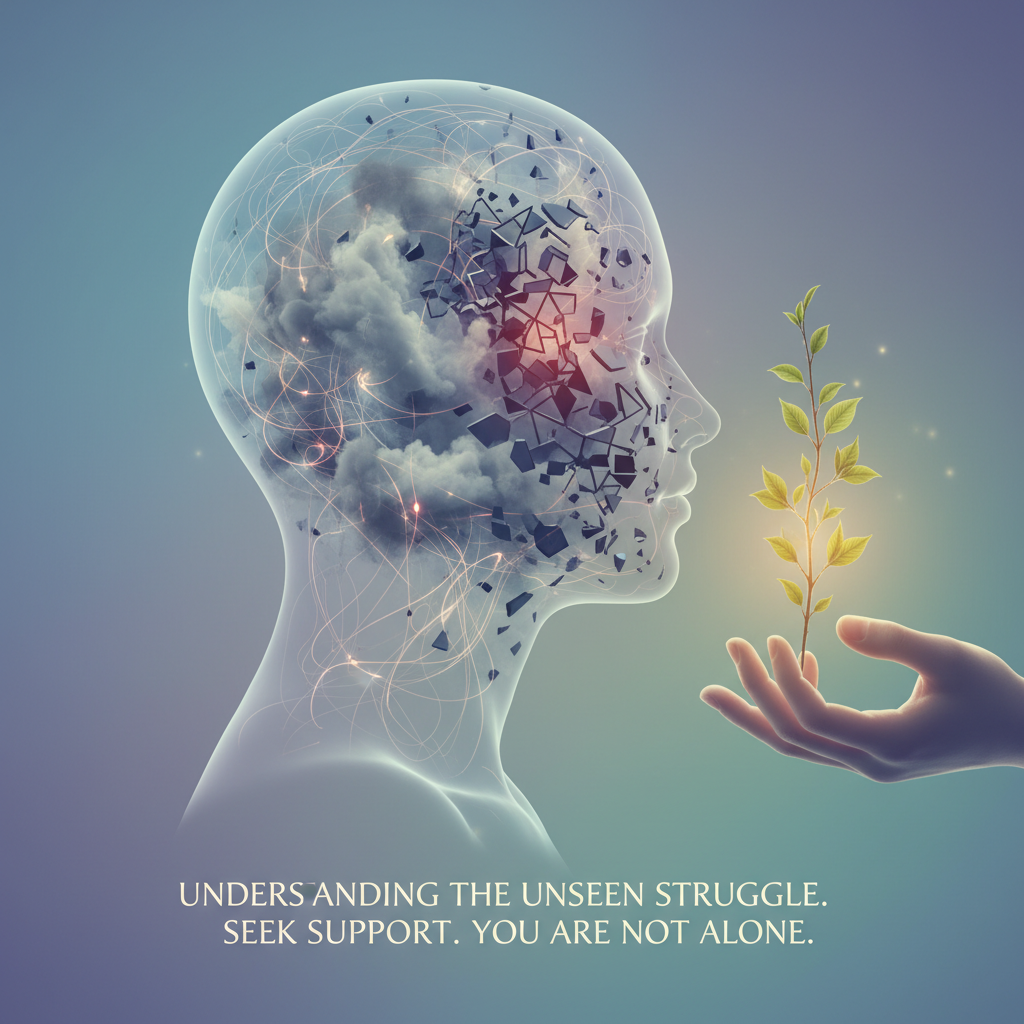
Understanding how behavioral health issues develop
When you start noticing changes in your mood, thinking, or behavior, it is natural to wonder what is happening and whether you should be concerned. Learning how behavioral health issues develop can help you recognize early warning signs in yourself or someone you care about and decide when to seek support.
Behavioral health refers to your mental, emotional, and social well-being, as well as the behaviors and habits that affect your overall health [1]. Mental health conditions and substance use disorders are both considered behavioral health issues. They usually do not appear out of nowhere. Instead, they often develop gradually through a combination of factors over time.
Understanding that process can reduce shame and confusion. It also helps you take earlier, more effective steps, instead of waiting until a crisis forces you to act.
The many causes of behavioral health issues
You may look for one clear reason your mood or behavior has changed, but behavioral health issues rarely have a single cause. Most conditions develop through a mix of genetics, environment, life experiences, and biology that interact with each other across your lifetime.
Genetics and family history
Your genes can influence how likely you are to develop certain behavioral health conditions, but they do not seal your fate.
Research from the National Institute of Mental Health shows that mental disorders usually result from many genes acting together, along with life experiences, rather than one “problem gene” [2]. For example:
- Depression has a hereditary component, especially when several family members have experienced it, but stressful or traumatic events are usually also involved [3].
- Bipolar disorder and schizophrenia show strong genetic links, and your risk increases if a close relative has one of these conditions, though environment still matters [3].
- Anxiety disorders often run in families, yet they are highly shaped by life experiences and learned coping styles [3].
At the same time, many people who live with mental health conditions do not have close relatives with the same diagnosis, which shows that genetics alone cannot explain how behavioral health issues develop [4].
Genetic testing currently cannot accurately predict if you will develop a mental disorder, because most related genes only change risk by small amounts [2]. Instead, you can think of genetics as one factor that might make you more sensitive to other stresses and experiences.
Environment, lifestyle, and life experiences
Your physical and social environments play a powerful role in behavioral health. Environmental factors and life events interact with any genetic predisposition to influence whether symptoms appear and how severe they become [2].
Over time, factors such as these can raise your risk:
- Ongoing high stress at work or home
- Poverty or financial insecurity
- Discrimination, marginalization, or community violence
- Limited access to nutritious food or safe places to exercise
- Exposure to environmental toxins such as lead or certain pesticides
Research has linked environmental neurotoxicants like lead, solvents, and pesticides to problems such as hyperactivity, antisocial behavior, mood changes, anxiety, depression, and even psychosis [5].
Major events can also trigger or worsen symptoms. These include job loss, divorce, serious illness, grief, or disasters such as floods and chemical spills. After events like these, people often experience higher rates of posttraumatic stress, depression, anxiety, substance use, and even suicide, especially in already vulnerable communities [5].
Lifestyle choices are another piece of the picture. A diet high in processed foods, chronic sleep deprivation, heavy substance use, or social isolation can all strain your ability to cope with stress and can raise the likelihood that a behavioral health condition will develop [6].
Childhood trauma and early experiences
If you experienced trauma or instability as a child, you may carry long-lasting effects into adulthood, even if you rarely think about it.
Children who grow up in homes that are unsafe or emotionally unpredictable may learn survival strategies such as staying hyperaware of others’ moods, hiding their own emotions, or constantly trying to prevent conflict. These patterns can protect them in a dangerous environment, but later they can interfere with healthy relationships, emotional regulation, and daily functioning [7].
Unstable or abusive relationships with caregivers can teach a child that people are not reliable. As an adult, this may show up as:
- Difficulty trusting others
- Fear of abandonment or rejection
- Trouble setting healthy boundaries
- Intense reactions to conflict or criticism
Long-term trauma in childhood can also alter brain development, especially the systems that handle stress and the fight-or-flight response. This can lead to chronic overreactions to everyday stress, heightened sensitivity or unawareness of pain, and a greater risk of mental illness and addiction later in life [8].
These early experiences can impair attention, memory, problem solving, and planning, which may cause academic struggles or make it harder to keep up at work [7].
Importantly, not everyone who experiences childhood trauma develops PTSD or other disorders. Supportive relationships, safe environments, and early intervention can greatly reduce long-term effects [8].
Brain function and biology
Many behavioral health conditions involve changes in brain function, brain chemistry, or the body’s stress and immune systems. For example, chronic stress and trauma can repeatedly activate your fight-or-flight response, which may eventually leave your system stuck in a heightened state. This can make ordinary stressors feel overwhelming, keep your body on edge, and impair your ability to calm down [7].
Researchers have also found that certain brain networks involved in detecting threats and directing attention, such as the salience network, can be altered by early trauma, which might contribute to later behavioral health issues even if PTSD never develops [8].
At the same time, there is no single “chemical imbalance” that explains all mental health problems, and current evidence does not support the idea that brain chemistry alone causes these conditions [4]. Biology is part of a larger picture that includes your experiences, environment, and coping skills.
How symptoms usually begin and progress
Understanding how behavioral health issues develop over time can help you spot early changes before they become crises. For many people, symptoms emerge gradually.
Subtle early changes you might dismiss
Early on, you might notice small shifts that are easy to explain away, such as:
- Feeling more irritable or on edge than usual
- Losing interest in hobbies or social activities
- Having trouble concentrating, reading, or following conversations
- Sleeping more or less than you used to
- Drinking or using substances a bit more to unwind
These patterns may seem temporary, especially if you are dealing with obvious stress. However, if you recognize these kinds of signs, it can help to learn more about early signs of mental health issues and behavior changes linked to mental illness.
For some people, early warning signs include physical symptoms such as headaches, stomach problems, or unexplained pain. These can be part of how your body expresses emotional distress.
When temporary stress turns into a clinical condition
It is normal for your mental health to react to stressful life events, and most people have periods where they sleep poorly, feel down, or feel anxious. The key difference between everyday stress and a clinical condition is how long symptoms last, how intense they are, and how much they interfere with your life.
You might be moving from temporary stress into a diagnosable condition if:
- Symptoms last most days for several weeks or longer
- You struggle to function at work, school, or home
- Your relationships are strained or you withdraw from others
- You feel unable to cope with daily responsibilities
- You start using alcohol or drugs regularly to manage your feelings
If you are not sure where you fall, exploring the difference between stress and mental illness can give you a clearer framework.
What to watch for with common conditions
Different behavioral health issues tend to show different patterns over time.
- Depression often begins with low energy, loss of interest, and changes in sleep or appetite, then may progress to persistent sadness, hopelessness, or thoughts of death. You can learn more in warning signs of depression in adults.
- Anxiety disorders frequently start with worry, restlessness, or physical symptoms like a racing heart or stomach discomfort. Over time, you may avoid situations that trigger anxiety, which can limit your life. See early symptoms of anxiety disorders for more detail.
- Substance use issues may begin with social or recreational use that gradually becomes a primary way of coping with stress or emotions. As tolerance builds, you may use larger amounts or more often and have difficulty cutting back. You can explore early signs of substance abuse and how addiction starts behaviorally to understand this progression.
Symptoms can also appear together. For example, anxiety and depression often overlap, and many people with substance use disorders also live with another mental health condition. Recognizing early signs of co occurring issues can help you seek more comprehensive support.
How substance use and mental health interact
Behavioral health conditions and substance use are closely linked. Sometimes one clearly appears first. In other situations, they develop together in a cycle.
Using substances to cope
Many people begin misusing alcohol or drugs to manage stress, trauma, or emotional pain. According to the CDC, substance use often develops as a coping mechanism for mental distress, but over time this can lead to substance use disorders and serious harms like overdose [1].
You might see this pattern if you:
- Use substances to fall asleep or stop thinking about problems
- Need a drink or drug to feel “normal” or to get through social situations
- Turn to substances more when you feel sad, anxious, or overwhelmed
If you recognize yourself here, it can be helpful to learn how to recognize substance use problems early. Addressing these habits sooner is often easier than waiting until consequences pile up.
Mental health symptoms fueled by substance use
Substances can also trigger or worsen mental health symptoms. For example, some drugs directly alter mood and perception, and regular heavy use can change brain chemistry related to motivation and stress. Over time, this may lead to depression, anxiety, or other conditions even in people who had no prior history.
Mental health conditions and substance use disorders frequently occur together, which means you may need support that addresses both at the same time [1]. Integrated care often produces better outcomes than treating one problem while ignoring the other.
Early warning signs you should not ignore
Knowing how behavioral health issues develop is useful, but you also need to recognize concrete red flags that signal it is time to reach out for help.
You should pay close attention if you notice:
- Big changes in mood, like persistent sadness, intense irritability, or sudden emotional numbness
- Ongoing anxiety, fear, or panic that feels out of proportion to your situation
- Loss of interest in activities, relationships, or goals that used to matter to you
- Major changes in sleep, appetite, or energy with no clear medical cause
- Increasing use of alcohol, drugs, or medications to “get through the day”
- Thoughts that life is not worth living, or that others would be better off without you
If you want a more detailed checklist, you can review mental health red flags in adults and mental health symptoms that should not be ignored.
Even subtler signs still matter. For instance, if you find yourself snapping at loved ones, falling behind on responsibilities, or feeling emotionally overwhelmed most days, those are valid reasons to explore how to recognize emotional distress early.
If your symptoms are stopping you from living the life you want, that is enough reason to ask for support, regardless of whether you have a diagnosis.
When to seek professional help
It is common to wait and hope symptoms will fade on their own. However, early intervention usually leads to better outcomes and may prevent patterns from becoming deeply entrenched [8].
Signs it is time to reach out
You should strongly consider seeking professional help if:
- Symptoms last most days for more than two weeks
- You cannot manage work, school, caregiving, or basic tasks
- You notice signs of worsening mental health
- Loved ones express concern about your behavior or mood
- You rely on substances to function or avoid withdrawal
- You experience hallucinations, paranoia, or disorganized thinking
- You have thoughts of harming yourself or others, even briefly
If you are unsure, reviewing how to tell if someone needs mental health help or how to identify behavioral health issues can help you decide your next step.
You can also explore how to tell if therapy is needed to see whether talking with a counselor might be helpful at this stage.
Types of support that can help
Behavioral health care is not one-size-fits-all. Depending on your needs, support may include:
- Primary care visits, where your doctor screens for mental health and substance use and refers you to specialists if needed. Integrating behavioral health into primary care improves access and reduces stigma [9].
- Outpatient therapy with a licensed counselor, psychologist, or social worker, focusing on specific symptoms or life challenges.
- Psychiatric care for evaluation and, when appropriate, medication.
- Intensive outpatient or residential programs if symptoms or substance use are severe.
- Telehealth services, which the AMA encourages as a way to make behavioral health care more accessible [9].
If you are wondering whether this is the right time, our resource on when to seek help for mental health offers practical guidance.
Taking the next step
Understanding how behavioral health issues develop helps you see your experiences in context. Conditions like depression, anxiety, trauma-related disorders, and substance use are not signs of weakness or character flaws. They are the result of many interacting influences, including genetics, environment, life events, and learned coping strategies [10].
You do not need to wait for a crisis to take your mental health seriously. If you are noticing mental health awareness symptoms or suspect early warning signs, it is reasonable to seek clarity and support now.
You can:
- Talk with a trusted primary care provider about what you are noticing
- Reach out to a licensed mental health professional for an evaluation
- Explore resources on early warning signs of mood disorders and early signs of co occurring issues
- Share what you are experiencing with a supportive friend or family member
No matter how long you have been struggling, change is possible. Understanding the path that led here is the first step toward choosing a different direction. Reaching out for help is a practical, courageous decision that can open the door to recovery and a better quality of life.