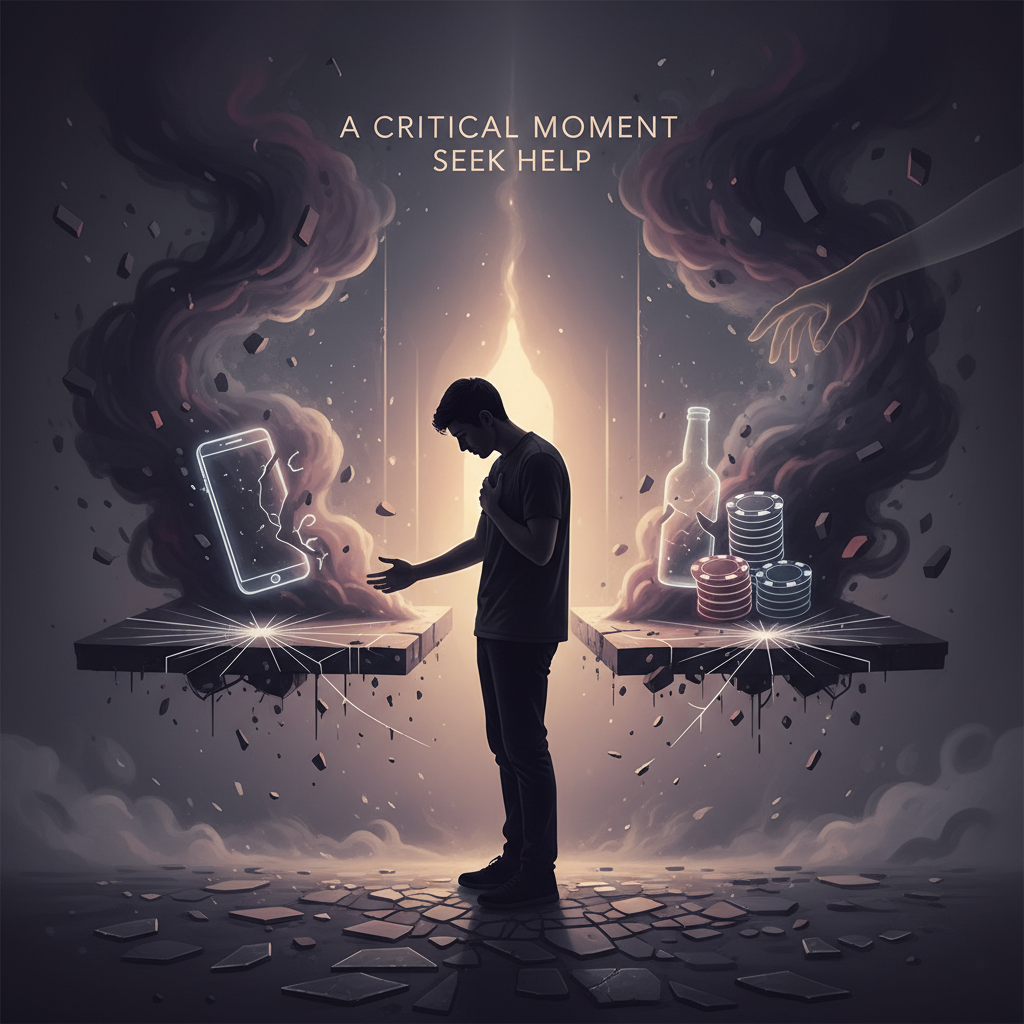
Understanding how addiction starts behaviorally
When you are trying to understand how addiction starts behaviorally, it can be tempting to look only at the substance itself. In reality, addiction usually begins with patterns in your thoughts, emotions, and behavior long before symptoms become severe. Recognizing these early shifts can help you seek support sooner and prevent problems from getting worse.
You might notice small changes in how you cope with stress, how you spend your time, or how you relate to others. These can be early clues that something more serious is developing. Learning to spot these patterns is a key part of how to identify behavioral health issues and knowing when to reach out for help.
What “behavioral start” of addiction means
Behaviorally, addiction begins when you repeatedly turn to a substance or behavior for short term relief or pleasure, even when it starts to cause harm. Over time your ability to choose freely gets weaker, and the behavior begins to feel driven or compulsive instead of intentional.
Researchers describe behavioral addictions as starting with an inability to resist an impulse or temptation that brings quick reward, even though it is harmful to you or others. Loss of control over the behavior is a core feature that parallels substance addiction [1].
In the early stages you usually:
- Feel tension, stress, or emotional discomfort before using the substance or engaging in the behavior.
- Experience pleasure, relief, or numbing while you are doing it.
- Begin to repeat the behavior, often in similar situations or in response to the same triggers.
Over time, the pattern shifts from doing it to feel good to doing it to stop feeling bad. That shift is an important marker that a habit may be crossing into addiction.
Habits, coping, and the line into addiction
Not every habit becomes an addiction. Many daily routines, like having coffee in the morning or watching a show at night, are neutral or even helpful. The difference lies in control and impact.
Habit specialists note that habits are typically under your control and can be changed when you decide to, while addictions start to control you. Addiction develops when a habit that may have started as a way to relax or cope with stress begins to cause ongoing harm and disrupt your mood, motivation, and stability. At that point it is less a choice and more a compulsion [2].
As cues and triggers strengthen, your response to them becomes more automatic. The behavior feels like a reflex rather than a decision. This is one way that how behavioral health issues develop overlaps with addiction, especially when underlying stress, anxiety, or depression is present.
The role of the brain and reward
Addiction is not just a matter of willpower. It involves changes in brain systems that handle reward, motivation, and learning.
Neurobiological studies show that both substance and behavioral addictions activate reward circuits in your brain, especially dopamine pathways in areas like the ventral tegmental area and nucleus accumbens, which are involved in motivation and reinforcement learning [1]. Over time, repeated use can dysregulate dopamine turnover in regions such as the nucleus accumbens and amygdala and that can increase vulnerability to addiction by altering how you process reward and stress [3].
Brain imaging research shows that when you anticipate a high from behaviors like gambling, your brain can respond similarly to how it responds during substance withdrawal or when you see drug related cues. This neurological overlap helps explain why behavioral addictions can feel just as powerful as substance addictions [4].
Understanding this biology is not about blame. Instead, it can help you recognize that strong cravings and difficulty cutting back are warning signs that deserve care, not judgment.
Triggers and early behavioral patterns
Addiction rarely appears out of nowhere. It usually builds around triggers, which can be internal or external. Learning to spot these triggers is a key part of preventing escalation and relapse later on.
A trigger is anything that brings up memories, emotions, or sensations associated with substances or an addictive behavior and starts a craving response. Your brain begins to anticipate a reward, which can make it very hard to resist using or acting [5].
Common triggers include:
- People, places, or objects that you associate with using.
- Emotional states like loneliness, anger, shame, or boredom.
- Stressful situations at work, home, or school.
- Certain times of day, weekends, or paydays.
Internal states such as depression, anxiety, frustration, and stress are especially powerful internal triggers. They often create a reflexive desire to use substances or engage in certain behaviors as a way to relieve emotional discomfort [5]. Negative self talk and intense shame or guilt can also fuel cravings by reinforcing the belief that you cannot cope without the behavior.
If you notice that you are repeatedly turning to alcohol, drugs, or behaviors like gaming, shopping, pornography, or gambling whenever you feel overwhelmed, this can be an early sign of an unhealthy coping pattern forming. Connecting this pattern to how to recognize emotional distress early can help you intervene sooner.
Environmental and social influences on addiction
Your environment shapes how addiction starts behaviorally more than you might realize.
Addiction can begin in the home, where family dynamics and parenting styles influence emotional health and coping skills. Growing up around untreated mental health issues, inconsistent caregiving, or high conflict can make you more vulnerable to using substances for relief later in life [6].
Childhood trauma and neglect, including physical, emotional, or sexual abuse, often lead people to use substances or behaviors as a form of self soothing to cope with deep emotional pain [6]. Intergenerational cycles can also play a role, where children of parents with addiction learn that substance use is a normal way to deal with life, which increases their risk beyond any genetic factors.
Social and cultural influences matter too. Norms that encourage heavy drinking as a rite of passage, peer pressure in adolescence, and easy access to alcohol or drugs can all foster behavior patterns that begin as experimentation and then progress toward addiction [6].
Socioeconomic stressors like poverty, financial strain, lack of healthcare, or unstable housing increase daily stress and can make substances feel like the fastest way to cope, sometimes trapping you in a cycle that is hard to escape [6].
Recognizing these influences does not mean you are destined to develop an addiction. It does mean that if you have these risk factors and you start noticing early changes, paying attention and seeking support can be especially important.
Overlap with mental health and emotional distress
Addiction and mental health conditions often develop together. You might start using a substance or behavior to manage symptoms of depression, anxiety, trauma, or other concerns. Over time, this coping strategy can become its own problem.
According to the American Society of Addiction Medicine, addiction is a chronic disease that affects your brain’s reward, motivation, and memory. It drives you to crave substances or behaviors and to ignore other parts of your life so you can support those desires [7]. Many people reach this point after an initial period of “self medication,” where the behavior seems to help manage distressing emotions or thoughts [2].
Behavioral addictions often coexist with conditions like depression or anxiety, although it is not always clear which came first. This overlap highlights why professional assessment is so important [4].
If you are seeing changes in mood, sleep, appetite, energy, or motivation at the same time as increased substance use or compulsive behaviors, it can help to review resources on warning signs of depression in adults, early symptoms of anxiety disorders, and behavior changes linked to mental illness. These can give you a clearer picture of whether you may be facing co occurring issues.
When substance use or a behavior becomes your primary way to manage emotional pain, you are at higher risk for both worsening mental health and the development of addiction.
Early behavioral warning signs to watch for
Early warning signs that a behavior or substance is becoming addictive can be subtle. Paying attention to these changes can help you act before the situation escalates.
Some early behavioral clues include:
- Using a substance or engaging in a behavior to cope with stress, numb emotions, or escape problems, instead of using a variety of healthy coping skills.
- Increasing time spent thinking about, planning, or recovering from the behavior or substance.
- Needing more of the substance, or more intensity of the behavior, to get the same effect, which is a form of tolerance [1].
- Feeling irritable, down, or restless when you cannot use or engage in the behavior, which can resemble psychological withdrawal.
- Ignoring or minimizing negative consequences, for example missing work, conflict with loved ones, health issues, or financial problems.
- Withdrawing from hobbies or relationships that used to matter so you can spend more time on the substance or behavior.
- Justifying or explaining away concerns that others raise about your use or behavior [7].
If you recognize several of these signs in yourself or someone close to you, it can be helpful to explore how to recognize substance use problems early and early signs of substance abuse. These resources can deepen your understanding of what you are seeing.
Difference between temporary stress and emerging conditions
One of the most confusing parts of early recognition is telling the difference between normal stress reactions and emerging mental health or substance use disorders.
Short term stress reactions often:
- Have a clear cause, like a major deadline or life change.
- Improve when the stressor passes or when you rest and use basic coping tools.
- Do not significantly interfere with your ability to function over time.
In contrast, early signs of a developing condition:
- Last for weeks or months, even when stressors change.
- Start to affect your work, relationships, or self care.
- Come with increasing use of substances or compulsive behaviors to cope.
If you are unsure, comparing your experience to difference between stress and mental illness and mental health red flags in adults can provide useful context. These guides can help you see whether what you are going through is within the range of typical stress or might be signaling something more.
What you can do early if you notice changes
If you are seeing early behavioral signs that concern you, taking small, concrete steps now can make a significant difference. You do not have to wait until things are “bad enough.” Seeking help early is often more effective and less overwhelming.
1. Track patterns and triggers
For one to two weeks, keep notes about:
- When you use substances or engage in the behavior.
- What you are feeling or thinking beforehand.
- Who you are with and where you are.
- How you feel immediately after and a few hours later.
This simple record can help you see patterns in triggers, emotions, and consequences. It can also be very useful information to bring to a professional when you are ready.
2. Experiment with alternative coping strategies
When you notice a trigger or craving, try pausing and using a different coping tool before you act. Options include:
- Short walks or gentle exercise.
- Breathing or grounding exercises.
- Reaching out to someone you trust.
- Writing down what you are feeling or worrying about.
You might not succeed every time, which is normal. The goal is to build more options between you and the behavior so it is not your only way to cope.
3. Be honest with yourself about impact
It is common to downplay how much something is affecting you. Try asking yourself:
- What have I stopped doing because of this behavior or substance?
- How would my week look if it suddenly disappeared?
- What would the people closest to me say has changed?
If the answers describe meaningful disruptions in your life, these are signs that early intervention would be wise.
4. Talk with someone you trust
You do not have to figure this out alone. Sharing your concerns with a trusted friend, partner, or family member can:
- Reduce isolation and shame.
- Give you another perspective on changes they have noticed.
- Help you stay accountable to the steps you want to take.
If you are supporting someone else, resources on how to tell if someone needs mental health help can guide your conversation.
5. Reach out to a professional
Professional support is especially important if:
- Your mood, sleep, or functioning are getting worse.
- You have tried to cut back but cannot.
- You notice both mental health and substance use concerns at the same time, which are early signs of co occurring issues.
Cognitive Behavioral Therapy has been shown to be effective in treating behavioral addictions by helping you identify unhelpful coping behaviors and address underlying psychological issues, which lowers the risk of relapse for problems like compulsive gambling, shopping, or gaming [4].
If you are uncertain whether it is the right time, exploring how to tell if therapy is needed and when to seek help for mental health can help you clarify your next steps.
When to take symptoms seriously and seek care
Some signs mean you should seek help as soon as possible, regardless of how long they have been present. These include:
- Rapid increases in substance use or high risk behaviors.
- Sudden withdrawal from friends, family, or work.
- Dramatic mood swings, irritability, or emotional numbness.
- Thoughts of self harm, hopelessness, or that life is not worth living.
- Aggression, reckless actions, or risk taking that is out of character.
Resources like early signs of mental health issues, early warning signs of mood disorders, and mental health symptoms that should not be ignored can help you see how your experience fits into broader patterns. If you recognize yourself in multiple areas, it is a strong indicator to schedule an evaluation.
If you or someone you care about is in immediate danger or having active thoughts of self harm, seek emergency help right away.
Moving from awareness to action
Understanding how addiction starts behaviorally is an important first step. The next step is deciding what you will do with that knowledge in your own life.
You can:
- Pay attention to early behavioral and emotional shifts instead of waiting for a crisis.
- Use resources on mental health awareness symptoms and signs of worsening mental health to stay informed.
- Reach out for guidance even if you are unsure whether what you are experiencing is “serious enough.”
Early recognition and support can prevent habits from becoming addictions and can protect your mental health in the long term. You do not need to have all the answers before you ask for help.