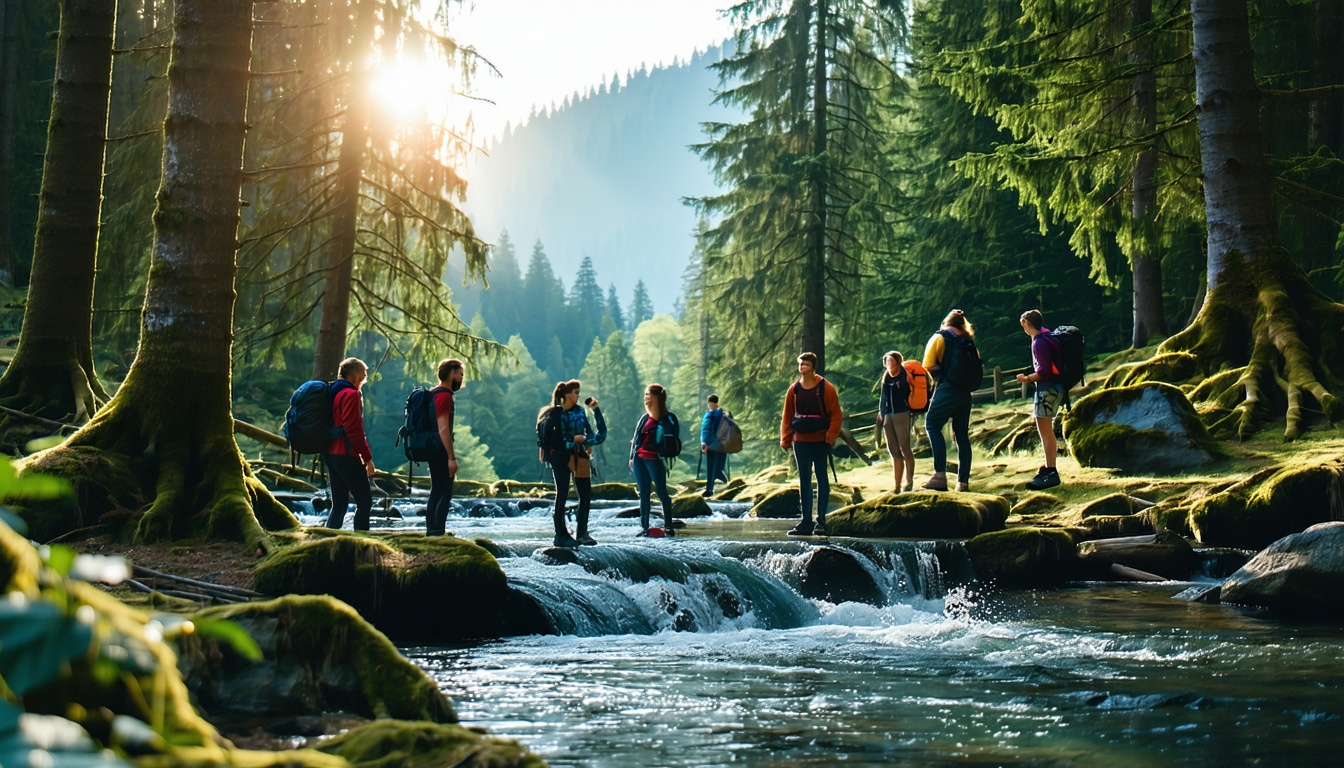
Explore wilderness therapy addiction
If you or a loved one are seeking new options for overcoming substance use issues, you may have encountered the term “wilderness therapy addiction.” This approach harnesses the transformative power of natural settings, combining evidence-based treatment methods with outdoor experiences such as hiking, camping, or team-building exercises. As you step away from everyday stressors and into green spaces, you allow nature’s restorative qualities to calm your mind, lower anxiety, and nurture personal growth.
According to Arrowood Addiction Treatment Center (Arrowood Addiction Treatment Center), wilderness therapy is designed to help individuals gain self-awareness and resilience. Participants engage in activities that challenge their physical and emotional limits, often emerging more confident in their ability to address the obstacles of addiction. The freedom of outdoor immersion, combined with guidance from mental health professionals, creates what many describe as a uniquely powerful environment for healing.
When you incorporate wilderness therapy into your recovery, the practical skills you acquire in nature—problem-solving, self-reflection, group coordination—can become valuable assets once you return to your daily routine. Whether it is navigating a hike or sharing personal insights during group sessions, you have the chance to build emotional stamina. More importantly, you learn how to remain open to new experiences that promote long-term sobriety. Epic Health Partners is committed to offering holistic, outpatient strategies that align with these principles, empowering you to transform the challenges you face into opportunities for meaningful change.
Recognize the benefits of nature in recovery
Nature has an amazing ability to soothe and refocus your mind, making it an ideal component of comprehensive addiction treatment. Research cited by American Addiction Centers (American Addiction Centers) shows that spending time in green spaces can reduce cortisol levels, lessen anxiety, and enhance overall mood. If you have been feeling isolated or overwhelmed during your journey to recovery, simply immersing yourself in a natural setting might help you experience immediate stress relief.
Connecting with nature is about more than just beautiful landscapes or fresh air. The outdoors also offers rewarding physical challenges—walking, hiking, and even more intensive exercises like rock climbing or rafting—that encourage you to develop healthy coping strategies. Skills such as perseverance and problem-solving can seamlessly translate into your everyday life. As you gain self-confidence through physical accomplishments, you strengthen your resolve to forego harmful habits, resist triggers, and maintain sobriety. Researchers at the University of New Hampshire also found that outdoor behavioral therapy can be a cost-effective and efficient treatment method for individuals at risk, suggesting that wilderness-based interventions have practical, measurable benefits for many people.
In addition, it is worth noting that nature often fosters a sense of community and peer support. Engaging in group-based outdoor challenges can make you feel less alone. You share your fears, celebrate achievements, and lean on each other during moments of vulnerability. A supportive environment is key to lasting recovery. By learning to trust others and rely on teamwork in the wilderness, you prepare yourself for positive, productive connections once you return home. With an outpatient program like Epic Health Partners, you stay connected to the structure you need, while leveraging nature’s healing properties to keep you motivated.
Discover the structure of wilderness therapy
Wilderness therapy typically begins with a thorough assessment. Before you enter this specialized form of treatment, trained professionals examine your personal history, specific challenges, and any co-occurring mental health concerns. With these insights, a tailored plan is created, addressing everything from emotional triggers to physical health needs. According to Grand Falls Recovery Center (Grand Falls Recovery Center), this assessment phase sets the tone for success because it ensures that each participant’s goals are understood and integrated into the program from day one.
You then move into the outdoor component, guided by experienced counselors and therapists. Activities may include hiking, camping, and team-building exercises. Over the course of days or weeks, you engage in demanding but empowering tasks such as backpacking through forested trails or tackling a ropes course. These challenges can mirror the struggles you confront in everyday life—learning to push beyond discomfort, practicing clear communication, and honing practical skills such as fire-building or navigation. By facing these hurdles, you start to see your own resilience and recognize that a slip-up along the trail can be a metaphor for the relapses or temptations you are working to overcome.
The final phase of wilderness therapy centers on integration. After extensive outdoor immersion, you return to an outpatient setting or your daily environment. Here, you reflect on the lessons learned in nature and translate them into a sustainable plan for ongoing recovery. Many programs provide follow-up support with therapists, peer groups, or continuing care. This is especially important if you aim to maintain the personal breakthroughs you had outdoors. If you or your loved one is dealing with trauma in addition to addiction, you can also consider exploring our trauma informed addiction therapy for a specialized approach to healing. By integrating wilderness experiences with ongoing professional guidance, you give yourself a firm foundation for conquering challenges day by day.
Link wilderness therapy to outpatient care
Wilderness therapy, though often conducted in a short-term, immersive format, can be seamlessly connected to an outpatient framework. If you envision your recovery journey as a series of building blocks, consider the experiences in nature as one significant piece in a broader puzzle. For instance, combining wilderness therapy with outpatient services like individual counseling, support groups, and skill-building sessions can result in a more comprehensive approach. You receive both the immersive benefits of nature-based activities and the practical, continual support of an outpatient provider.
Epic Health Partners offers outpatient services designed to help you transition smoothly from a structured therapy program back into daily life. Through consistent follow-ups, you can discuss the hurdles you encountered in the wilderness and find ways to adapt those lessons. If you have a mental health condition like post-traumatic stress, we also encourage you to explore our ptsd addiction treatment, which can be integrated into your broader treatment plan. In outpatient care, you reinforce the self-awareness, coping mechanisms, and confidence gained outdoors, ensuring they become permanent facets of your lifestyle.
Additionally, outpatient programs are ideal for people juggling work responsibilities, family obligations, or personal commitments that prevent them from engaging in longer-term inpatient care. Perhaps you completed a wilderness therapy course but still need ongoing professional support to manage cravings or emotional triggers. In this case, an outpatient model allows you to benefit from therapy sessions, group meetings, or coaching without having to pause your everyday life for prolonged inpatient treatment. You have an extended safety net, one that keeps your progress on track and reminds you that consistent care is available whenever you need it.
Embrace a holistic healing approach
Lasting recovery involves more than just addressing the physical aspects of substance use. Wilderness therapy promotes emotional resilience, boosts self-awareness, and strengthens your capacity to develop meaningful relationships. At the same time, holistic outpatient services can bring all these elements together, offering you a full spectrum of mental health support. For instance, you might supplement your nature-based interventions with evidence-based treatments like cbt for addiction, group counseling, or even creative outlets such as expressive therapy addiction.
As highlighted by American Addiction Centers (American Addiction Centers), nature-based activities can immediately calm your mind and reduce the stress hormone cortisol. When you pair these benefits with scientifically backed treatments, you amplify your potential for success. Each therapy type addresses a different concern: group therapy fosters peer support, mindfulness activities ease anxiety, and cognitive-behavioral strategies introduce practical ways to reframe harmful thought patterns. The fusion of these approaches amounts to a well-rounded program that supports every facet of your well-being.
If you or your loved one are also battling specific addictions—such as opioids—you can explore our specialized opioid addiction treatment. Wilderness therapy might serve as the initial spark for recovery, and additional outpatient support can fan that spark into a consistent flame of progress. From personalizing your care plan to connecting you with a network of peers who share similar experiences, holistic recovery recognizes that healing is multidimensional. You are not just treating a symptom but nurturing the whole person: mind, body, and spirit.
Choose Epic Health Partners
At Epic Health Partners, we believe in delivering the support necessary for lasting recovery. Our mission is to serve as a trusted outpatient resource for individuals ready to transition from immersive programs like wilderness therapy to ongoing, comprehensive care. We understand the unique challenges that can arise once you leave an environment specifically designed for growth. Our experienced clinical teams are dedicated to guiding you through the next steps, ensuring you continue to build upon the self-discovery and resilience you cultivated outdoors.
Our programs reflect our commitment to providing individualized plans. If you or someone close to you has struggled with alcohol misuse, for example, we offer alcohol use disorder treatment that takes into account your personal history, lifestyle, and preferences. For those enduring challenges related to prescription medications, our prescription opioid treatment serves as another resource. We also offer supportive services for individuals from diverse backgrounds, ensuring that everyone feels seen and understood.
By choosing Epic Health Partners, you open the door to flexible, effective, and compassionate outpatient care. We pride ourselves on fostering a safe space, free from judgment, and designed with best practices in mind. Whether you started your healing journey in the wilderness or have been searching for a viable treatment option at home, our goal is to stand beside you. With a loyal team of experienced counselors, therapists, and peer specialists, you gain access to multiple pathways of recovery that can evolve as your circumstances change. We want to see you thrive, and we are here to provide consistent support that never wanes.
Frequently asked questions
1. What makes wilderness therapy different from traditional rehab?
Wilderness therapy differs primarily in its use of natural environments and experiential learning activities. While traditional rehab often takes place in a clinical setting, wilderness therapy immerses you in the outdoors, promoting self-discovery through hiking, camping, and group challenges. This approach intensifies the therapeutic process by removing everyday distractions and leveraging the calming influence of nature. You still work with qualified professionals, but the environment itself—fresh air, physical challenges, close-knit peer groups—supports healing in ways a standard indoor setting may not.
2. Is wilderness therapy safe?
Yes, when led by licensed mental health professionals and trained outdoor specialists, these programs are designed to maintain participant safety. According to Grand Falls Recovery Center, a thorough screening process typically weeds out medical conditions or mental health crises that might pose a significant risk. Staff members are well-equipped to handle common outdoor challenges such as weather fluctuations or minor injuries, and they blend adventure activities with proven therapeutic techniques. However, it is always prudent to consult your physician and make sure you fully understand program requirements before starting.
3. How long do wilderness therapy programs typically last?
Program duration varies, but many wilderness therapy experiences last anywhere from a few days to several weeks. Longer programs, as suggested by research from NCBI (NCBI), can yield stronger outcomes in terms of social skills, motivation, and self-esteem. This extended timeframe allows you to establish deeper trust with fellow participants and staff, engage in more comprehensive outdoor activities, and cultivate new coping mechanisms that can shape long-term recovery. Shorter programs may offer a valuable jumpstart, especially if you integrate outpatient services like those at Epic Health Partners in the weeks that follow.
4. Can I combine wilderness therapy with outpatient treatment?
Absolutely. Many individuals find that wilderness therapy functions best as an intensive, focused stage of recovery, which can be paired with outpatient support for sustained progress. You might also choose to do wilderness therapy after a period of outpatient counseling, especially if you feel stuck in your routine. An outpatient provider like Epic Health Partners can help you coordinate both experiences. This combination ensures you gain the benefits of immersive, nature-based healing while still receiving ongoing guidance once you’re back in everyday life.
5. How do I know if wilderness therapy is right for me?
Wilderness therapy might be a good fit if you have a strong motivation to step outside your comfort zone and find the structured intensity that outdoor experiences provide. It’s often helpful for people who feel they have plateaued in more conventional treatment programs. You may also benefit if you seek a sense of community or a way to re-establish trust with yourself and your surroundings. Ultimately, the best way to decide is by consulting mental health professionals, reviewing your medical history, and considering any mobility or safety limitations. At Epic Health Partners, we are happy to guide you through the evaluation process.
Whether you fully commit to wilderness therapy or explore it as a single component of an integrated treatment plan, keep in mind that you have a wide array of supportive options. You are never alone in your recovery. By embracing nature’s healing power, tapping into outpatient care as needed, and focusing on your emotional and psychological well-being, you set yourself on a path where challenges become catalysts for growth. Epic Health Partners is here to ensure that, every step of the way, you have access to a professional team dedicated to your success. If you or a loved one need an approach that honors your unique recovery needs, consider how wilderness therapy and continued outpatient support can help you achieve lasting change.