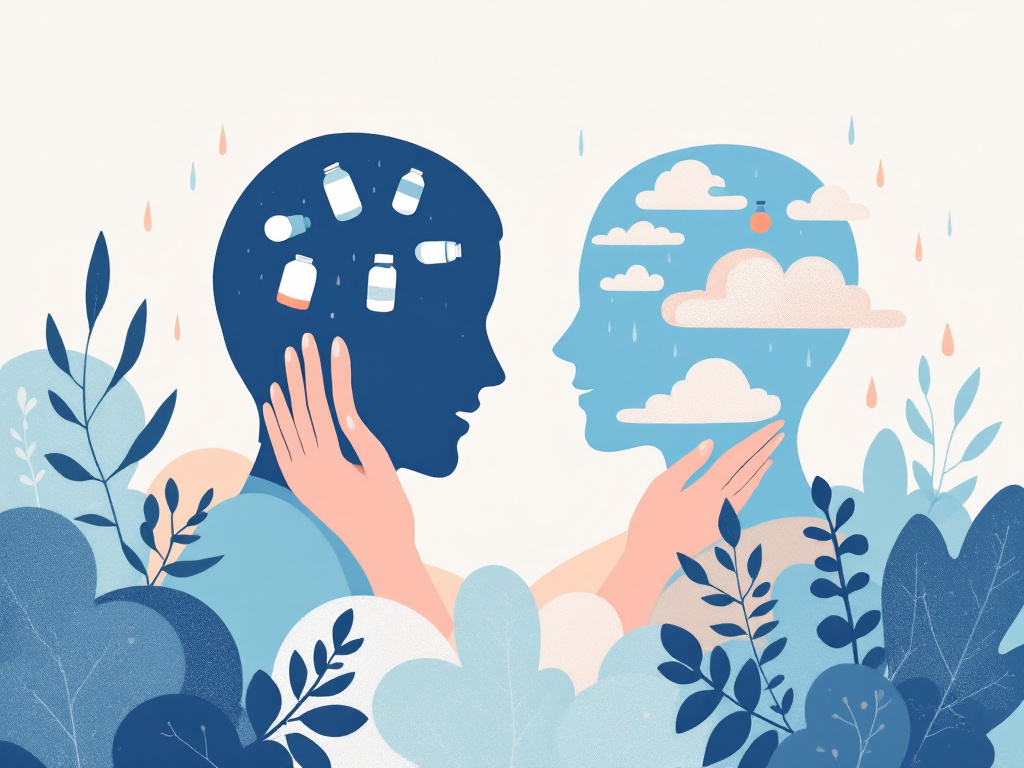
Understand dual diagnosis
Dual diagnosis, sometimes called co-occurring disorder, refers to experiencing a substance use disorder alongside a mental health condition. When these challenges overlap, each can intensify the other, complicating your path to wellness. Addressing both issues together is essential for lasting recovery.
Nearly half of people with serious psychiatric illness also have a co-occurring substance use disorder [1]. These intertwined conditions can amplify symptoms such as depression, anxiety, or compulsive behaviors.
When you seek separate treatments, you risk fragmented care, conflicting recommendations, and gaps that leave critical needs unaddressed. In contrast, integrated programs bring therapists, psychiatrists, and support staff together into a cohesive team. This unified approach fosters clear communication among professionals and streamlines your treatment journey. You benefit from consistent strategies that address both mental health and substance use simultaneously.
Developing an integrated behavioral health treatment plan ensures every aspect of your health is considered, from mood regulation to relapse prevention strategies tailored to your history. With this plan in place, you can track progress, adjust goals, and access the right services as your needs evolve. Coordinating mental health and addiction services under one umbrella increases your chances of achieving sustainable wellness. Integrated care eliminates barriers like repeated hospitalizations or siloed referrals, saving time and reducing stress. Over time, you build confidence in managing triggers and maintaining balance between sobriety and emotional stability.
Understanding your unique needs lays the foundation for a more effective recovery journey.
Explore therapy modalities
Therapy is a cornerstone of any substance use and depression program, offering tools to understand behaviors, process emotions, and build coping strategies. By engaging in evidence-based counseling, you learn to recognize patterns that contribute to substance use and mood dysregulation. An integrated program connects you with therapists skilled in both mental health and addiction recovery, ensuring each session supports your dual diagnosis needs.
Cognitive behavioral therapy
Cognitive behavioral therapy, often included in a behavioral therapy for co occurring issues plan, focuses on the interplay between thoughts, feelings, and actions. You learn to identify negative thought patterns that may fuel depression or trigger substance use, then replace them with healthier perspectives and behaviors. Over time, CBT strengthens your ability to challenge self-defeating beliefs, manage stress, and reduce the risk of relapse. Many clients find this goal-oriented approach empowers them to take ownership of their recovery journey.
Trauma-informed counseling
Trauma-informed counseling acknowledges that past wounds often underlie both depression and substance use patterns. Your therapist processes traumatic experiences at a pace that feels safe, integrating coping skills and grounding exercises to navigate difficult memories. This approach, core to trauma and addiction counseling services, reduces the risk that unresolved pain will drive self-medication behaviors.
Group therapy
Group therapy, often included in a co occurring disorder therapy program, brings you together with peers who face similar struggles. Sharing successes and setbacks in a structured setting can reinforce accountability and normalize the challenges of dual recovery. Skilled facilitators ensure discussions remain focused on healing and skill-building, guiding exercises in communication, emotional regulation, and relapse prevention. Many participants report feeling less isolated and more motivated after experiencing mutual support firsthand.
Holistic therapies
Holistic therapies expand your toolkit by incorporating mind-body practices that promote overall well-being. Techniques like yoga, mindfulness meditation, and art therapy help you build body awareness, relieve stress, and foster creative expression. When combined with clinical treatments, these modalities support your recovery on emotional, physical, and spiritual levels. Programs that offer holistic dual diagnosis therapy recognize that true healing addresses the whole person, not just symptoms. Integrating these methods can deepen your self-awareness and provide practical coping strategies you can apply whenever triggers arise.
Together, these therapies form a comprehensive approach that addresses both your mental health and substance use needs.
Learn medication management
Medications play a crucial role in stabilizing mood and reducing cravings when you are managing both depression and substance use. By balancing brain chemistry, the right prescriptions can help you focus on therapy and build lasting recovery skills. An integrated program ensures medication management is coordinated with psychotherapy, giving you a seamless approach to dual diagnosis care.
Medication-assisted treatment
Medication-assisted treatment (MAT) uses FDA-approved medicines to reduce withdrawal symptoms and curb substance cravings. For opioid use disorder, options like buprenorphine or methadone can protect against relapse, while alcohol use disorder treatments may include acamprosate or naltrexone, which help regulate neural pathways implicated in addiction [2]. MAT forms a bridge to therapy by stabilizing physical dependency so you can engage more fully in counseling. This evidence-based approach often features in dual diagnosis therapy with mat support plans to integrate medical and behavioral care.
Psychiatric oversight
Regular psychiatric oversight ensures that your medication regimen aligns with your evolving mental health needs, minimizing side effects and maximizing benefits. Psychiatrists review your progress, adjust dosages as necessary, and collaborate with therapists to monitor how medications interact with your mood, energy, and coping capacity. They also screen for co-morbid conditions, such as anxiety or bipolar disorder, that may influence your treatment trajectory. By weaving psychiatric care into every phase of recovery, you maintain a clear and consistent path toward wellness through mental health stabilization for addiction clients.
When therapy and medication work in concert, you address both the root causes and the biological drivers of addiction and depression.
An integrated approach to medication management not only provides immediate relief from symptoms but also sustains long-term resilience by adjusting strategies as you grow stronger. You gain confidence when your treatment team communicates effectively across disciplines, fostering trust and ensuring no detail falls through the cracks. This collaborative model empowers you to take an active role in decisions about your health and feel secure knowing experts support you at every step.
Build a personalized plan
Every recovery journey is unique, which is why a personalized plan is essential for treating co-occurring depression and substance use. You start with a detailed assessment that explores your history, triggers, strengths, and goals. By understanding your individual profile, providers can tailor interventions that resonate with your experiences and values. This bespoke approach fosters engagement and creates a roadmap you believe in.
Initial goal setting establishes milestones such as improving mood stability, reducing substance use days, or mastering coping techniques. Your care team may include therapists, psychiatrists, case managers, and peer support specialists who collaborate on these objectives. Regular check-ins help track progress, celebrate successes, and address obstacles before they derail your trajectory. This dynamic process keeps you motivated and responsive to change.
Collaborative planning also involves your active participation in decision-making. Through shared decision-making sessions, you weigh the risks and benefits of each treatment option, ensuring your voice guides the path forward. When you co-create your plan, you are more likely to commit to the steps that matter most to you.
Your personalized plan may include:
- Individual psychotherapy sessions with a licensed clinician
- A medication-assisted treatment regimen customized to your needs
- Regular group workshops for peer connection and skill-building
- Case management support to coordinate appointments and resources
This integrated framework adapts as you meet benchmarks and uncover new needs. Whether you require additional trauma work, a medication review, or life-skills coaching, your plan evolves with you. Over time, this tailored strategy supports deeper recovery, helping you navigate stressors, maintain sobriety, and foster emotional health. Seeing clear progress through measurable goals boosts your confidence and reinforces hope.
Access support services
Beyond therapy and medication, support services provide the infrastructure you need to thrive in recovery. These resources help you bridge the gap between intensive treatment phases and everyday life, offering continuity and assistance as you adapt new habits. Whether you prefer in-person care or virtual options, integrated centers usually host a range of services tailored to co-occurring disorders.
Outpatient co-occurring disorder care lets you continue your routine while attending therapy, medication management appointments, and skill-building workshops. This flexible model strikes a balance between structured support and community engagement, helping you apply recovery tools in real-world settings. Weekly check-ins with your provider keep you accountable, and periodic assessments ensure your plan stays aligned with your goals. Many programs blend individual and group sessions to cover both personal challenges and shared experiences.
Long term dual diagnosis support offers ongoing resources once your initial treatment concludes. Peer-led support groups, alumni networks, and monthly booster sessions reinforce lessons learned in your core program. Investing in long term dual diagnosis support helps you maintain resilience when life stressors arise.
Telehealth services expand your access by connecting you with therapists or psychiatrists via video or phone calls. This option removes geographical barriers and fits seamlessly into busy schedules, making consistent participation more feasible. Case managers can also coordinate community resources, such as housing support or vocational training, to address social determinants of health. Many programs offer streamlined financial coordination to reduce coverage concerns.
| Service | Benefits |
|---|---|
| outpatient co occurring disorder care | Structured treatment with daily responsibilities |
| long term dual diagnosis support | Continued peer engagement and relapse prevention |
| Telehealth sessions | Flexible access to therapy and medication management |
| Case management | Coordinated referrals and support for holistic needs |
These support services create a safety net that carries you through the highs and lows of recovery, ensuring you never feel alone on your journey.
Take next steps
Now that you understand how therapy, medication, and support services work together, it’s time to explore your options. Visit our mental health and addiction recovery center to learn more about full-spectrum dual diagnosis care. If you need flexible scheduling, see our outpatient dual treatment center programs or ask about dual diagnosis recovery with medication.
Your recovery journey starts now.